About it

The Healing Power of Music: Music therapy
Assist the Poor People

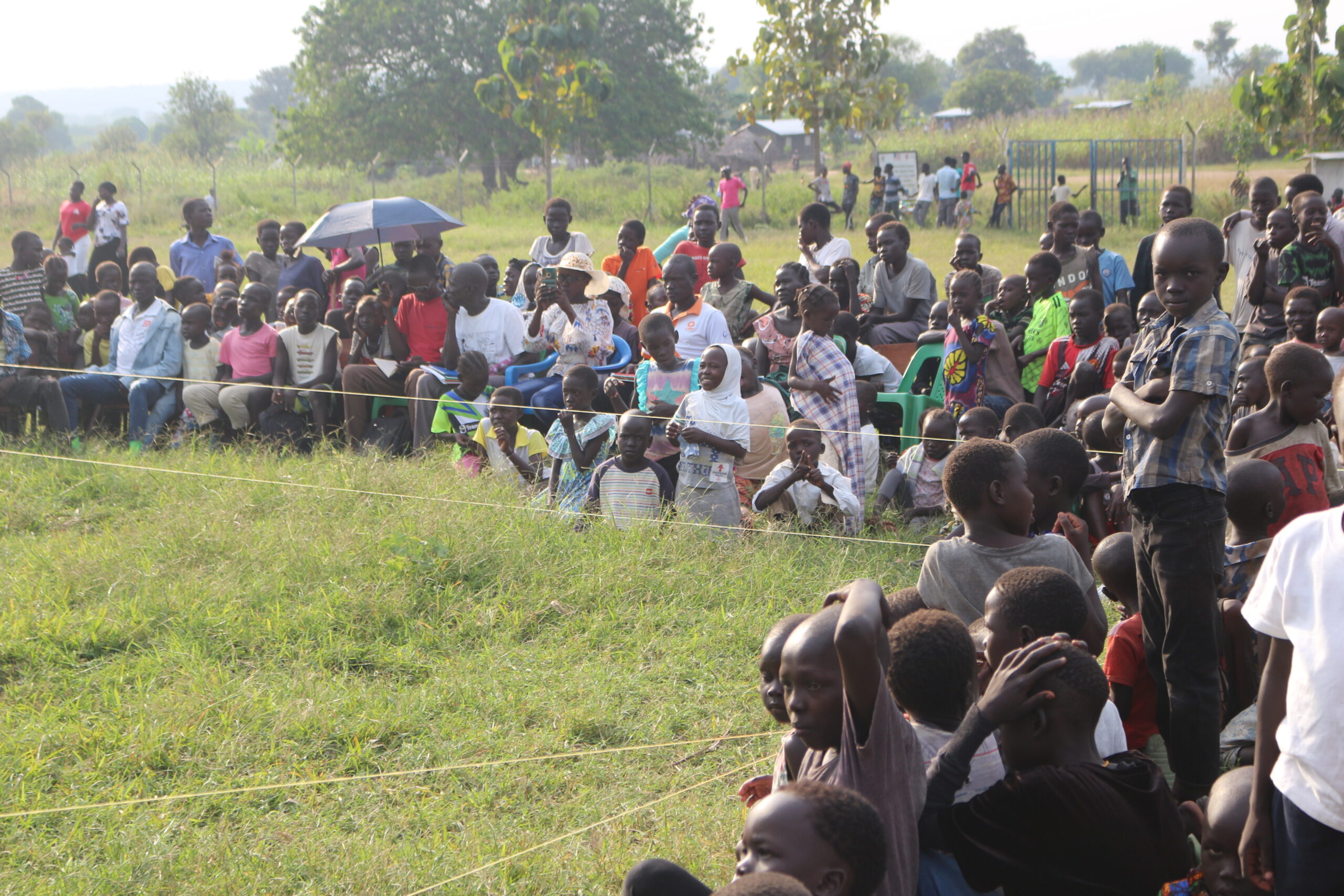
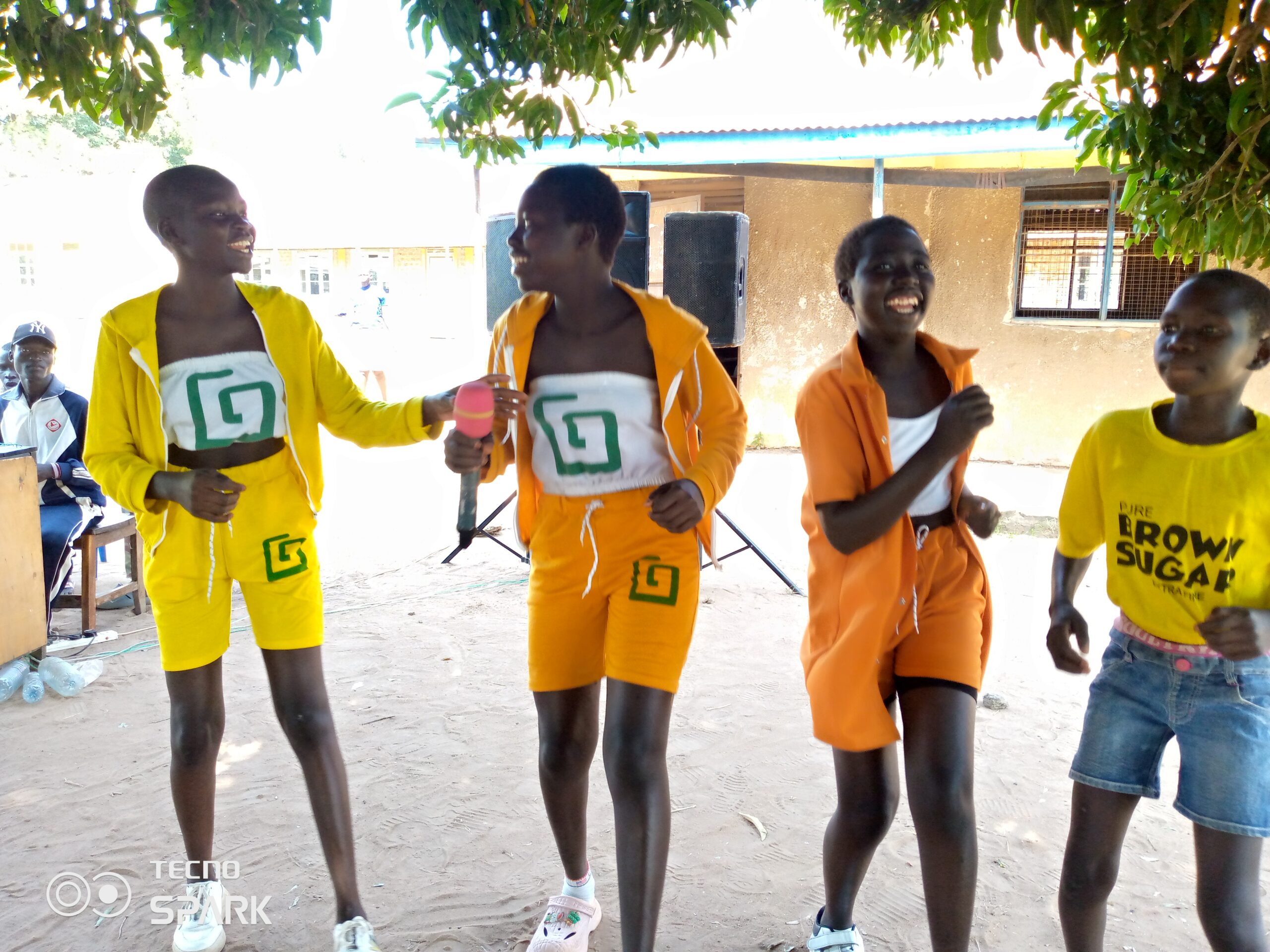
We have witnessed the healing power of music around the world, over the past 5 years. The power of music sounds different in each of our programs, adapted to needs and culture, and in collaboration with local musicians and partners. One approach we use in our projects is music therapy, which is a powerful and evidence-based therapeutic approach that uses music to promote physical, emotional, and mental well-being. Whether through listening, singing, playing instruments, composing, or interacting with music as a group, music therapy can help individuals achieve healing and improve their quality of life and build resilience against hardships. What is Music Therapy?
IMG_20241207_140735_818
Music Team

Music Therapy and Therapeutic Music Approaches at Similar Ground

Importantly, our reference to music therapy follows the UK definition, where the profession and job title are legally regulated. In the United Kingdom, a music therapist must hold a Master’s degree in Music Therapy and be registered with the Health and Care Professions Council (HCPC). We acknowledge this definition to ensure responsible use of professional terminology and to avoid misrepresenting community-based music programs as clinical therapy.

At the same time, we recognize the limitations of this definition in the contexts where Similar Ground operates, particularly in refugee and humanitarian settings where formal music therapy training opportunities are limited, professional regulatory bodies may not exist, and the terminology may not fully reflect local practice. For this reason, Similar Ground primarily applies therapeutic music approaches within child protection, education, and psychosocial support programming rather than clinical music therapy.

Within this understanding, music therapy refers to the structured use of musical activities by trained professionals to address social, emotional, psychological, physical, and cognitive needs. These approaches may include activities such as singing, listening, songwriting, playing instruments, and creative musical expression to support individuals in achieving specific wellbeing goals.

While Similar Ground does not position its work as clinical music therapy, our music programs intentionally integrate psychosocial support principles to strengthen resilience, emotional expression, and social connection among children and young people affected by displacement and adversity.

IMG_1558

Benefits of Therapeutic Music Activities

Music-based interventions used within Similar Ground programs contribute to wellbeing across several important areas:

1. Physical Development Benefits

Music activities can support coordination, movement, and body awareness, especially through rhythm-based exercises, dance, and instrument playing. These activities help children develop motor skills, confidence in movement, and active participation in group activities.

2. Emotional and Mental Wellbeing Benefits

Music provides a safe and creative way for children and youth to express emotions that may be difficult to communicate verbally. Through singing, songwriting, and group music making, participants are able to process stress, reduce anxiety, and build emotional resilience. This is particularly relevant in refugee contexts where children may have experienced disruption, loss, or trauma. Music activities create structured safe spaces where young people can relax, connect, and regain a sense of normalcy.

3. Cognitive Development Benefits

Participation in structured music activities strengthens concentration, memory, listening skills, and creativity. Learning rhythms, lyrics, and musical patterns supports cognitive development and can improve focus and problem-solving abilities among school-age children. Music learning environments also encourage discipline, practice, and goal setting, which contribute to improved learning attitudes.

4. Social Development Benefits

Group music activities promote teamwork, communication, and cooperation. Through ensemble playing, group singing, and collaborative songwriting, children learn to listen to each other, respect differences, and build positive relationships. For children facing social barriers or exclusion, music provides an inclusive platform where participation does not depend on academic performance but on creativity and engagement.

Application of Music-Based Psychosocial Approaches at Similar Ground, Similar Ground applies music within different program areas to support child and youth development:

1. Education and Child Protection Programming

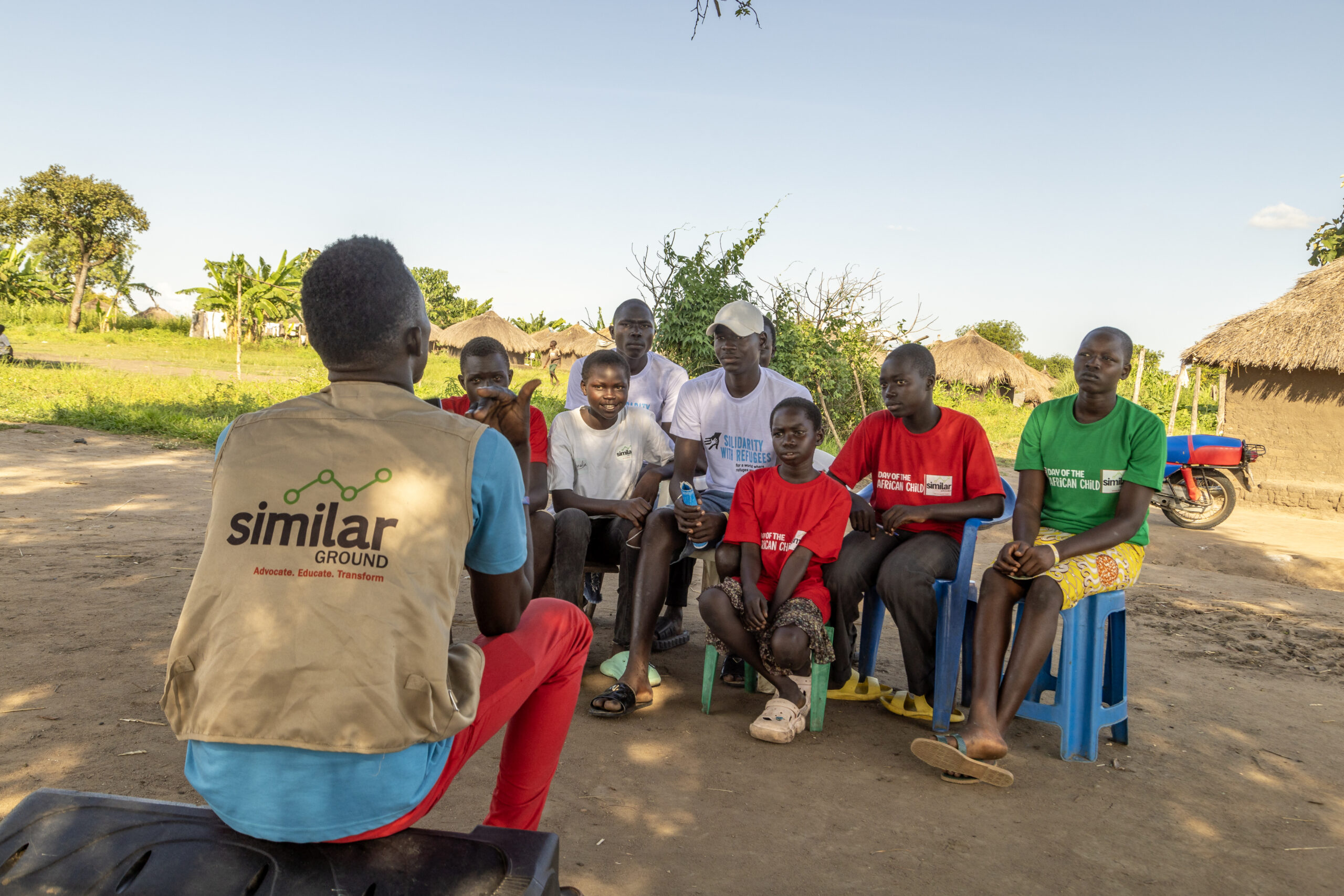
Music is integrated into safe space activities, school clubs, and youth programs to strengthen protective environments for children. These activities help improve school engagement, confidence, and peer relationships.

2. Mental Health and Psychosocial Support (MHPSS)

Music activities are used as part of psychosocial support interventions to promote emotional wellbeing, reduce stress, and strengthen coping mechanisms among children and youth. Through creative expression, participants are supported to share experiences, build hope, and develop positive identity.

3. Youth Empowerment and Skills Development, Music programs at Similar Ground also serve as platforms for talent development, leadership building, and livelihood pathways. Young people are supported to discover their abilities, build confidence, and sometimes pursue creative opportunities.

4. Inclusion of Children with Diverse Needs

Music provides an accessible and inclusive approach for engaging children with different learning abilities or developmental challenges. Activities are adapted to ensure participation, encourage interaction, and strengthen confidence.

Learning from Global Practice

Similar Ground continues to draw inspiration from global practices where music has been successfully used to support wellbeing in vulnerable communities. Programs implemented in countries such as Rwanda, Palestine, and Jordan demonstrate how music can strengthen psychosocial support systems when adapted to local realities. These experiences show the importance of building local capacity by training musicians, youth leaders, and facilitators in basic therapeutic skills such as empathy, active listening, and creating safe group environments. These principles strongly align with Similar Ground’s approach, which emphasizes dignity, participation, and child safeguarding.

Our Approach at Similar Ground

Through our music programs, youth facilitators apply core human-centered values such as empathy, respect, inclusion, and positive support. These principles strengthen Similar Ground’s existing approaches that use music, play, arts, and sports as tools for child development and psychosocial wellbeing.

We aim to safe, structured, and creative environments, Similar Ground uses music not only as an artistic activity but also as a pathway for healing, learning, and social transformation among refugee and host community children.

As one young participant in a similar music program once shared:

“When I feel upset, I sing. After some time, I feel calm and happy again.”

This reflects the simple but powerful role music can play in supporting emotional wellbeing.