

Why This Matters
Across the world, children experience grave violations including:
Killing and extermination
Forced displacement and family separation
Sexual violence, forced marriage, and forced pregnancy
Recruitment and use by armed groups
Slavery, trafficking, and exploitation
Denial of food, water, healthcare, and education
Historically, justice mechanisms addressing crimes against humanity have focused on adults leaving children invisible, unheard, and inadequately protected.
Children are not just passive victims.
They are rights holders with the right to protection, participation, recovery, and justice.
If children are not explicitly named in international law, they are often ignored in practice.
The Global Moment: A Unique Opportunity
A new International Convention on Crimes Against Humanity is currently being negotiated by UN Member States.
Key milestones in the process:
2019: Draft Articles completed by the International Law Commission
2024: UN General Assembly approves formal negotiations
2026–2027: States review text and propose changes
2029: Final Convention expected to be adopted
This window presents a rare opportunity to ensure children are fully included before the Convention becomes binding international law.
Our Approach
Through this War Child funded initiative, we are:
Advocating for child-specific protections in international law
Elevating children’s voices and lived experiences
Engaging policymakers, civil society, and justice actors
Promoting child-friendly justice systems
Supporting reparations and recovery approaches that work for children and youth
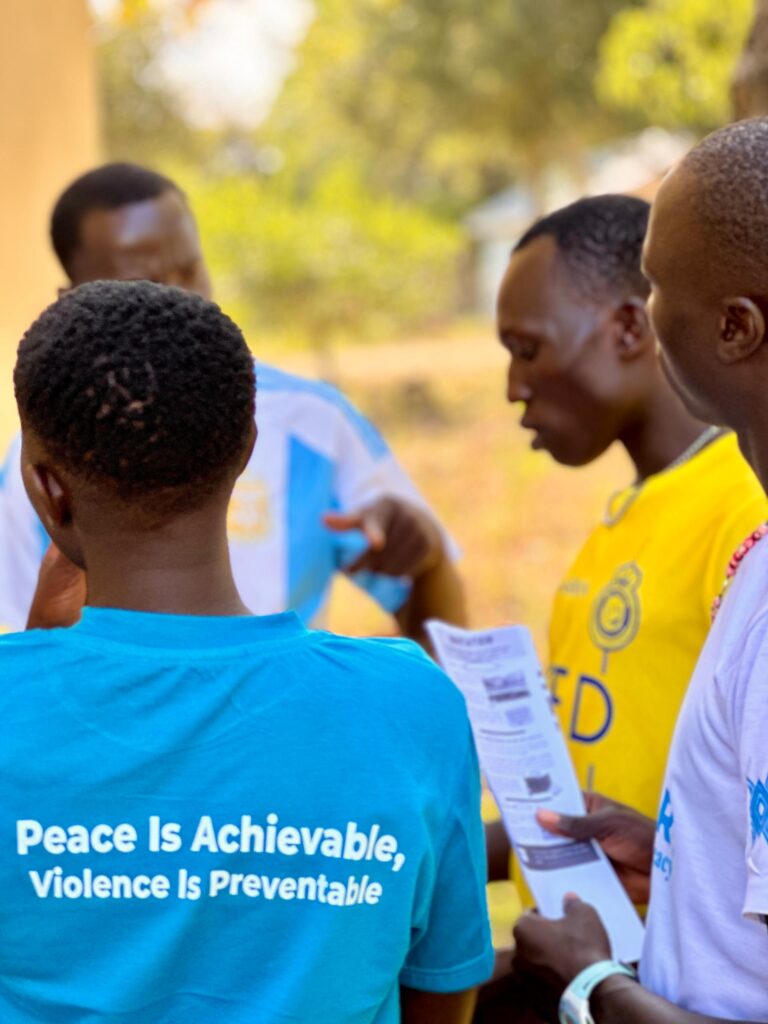
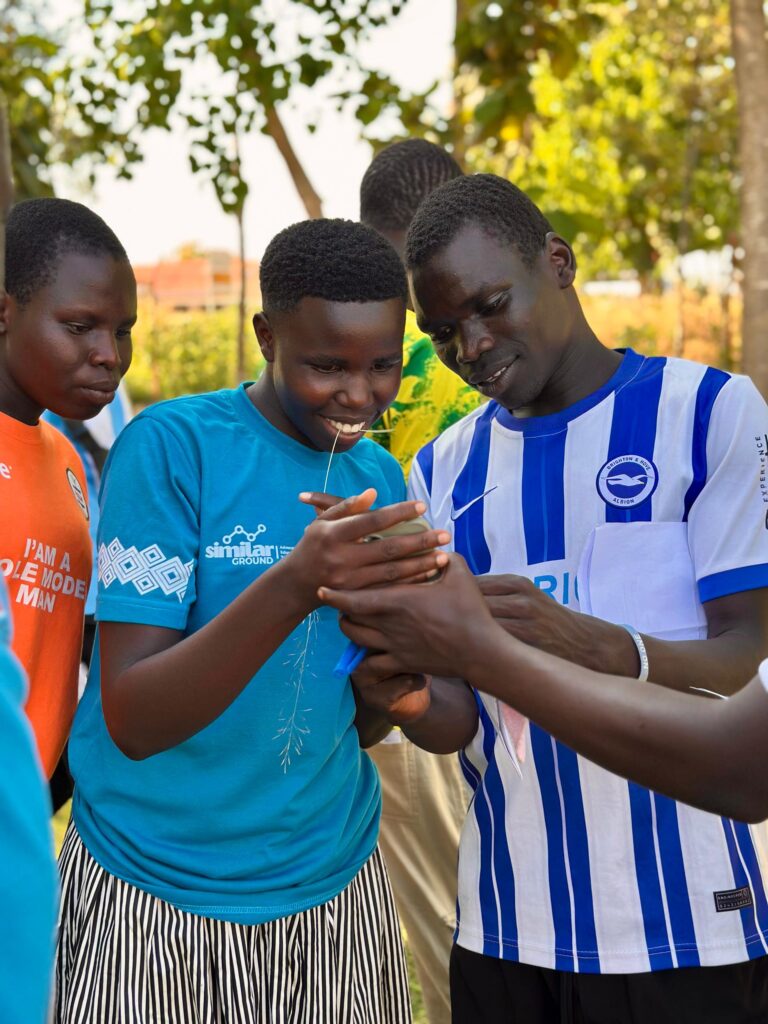
Our work is grounded in the principle of the best interests of the child and the Convention on the Rights of the Child.
Seven key proposals to protect children
We advocate for the inclusion of the following seven child-centred proposals in the Convention.
Explicit recognition of children in the preamble;
The Convention should clearly acknowledge children as specific rights holders affected by crimes against humanity.A clear definition of who a child is;
A child should be defined as any person under 18 years of age, without exception.Stronger definitions of crimes affecting children;
The Convention should clearly address how crimes such as persecution, forced pregnancy, forced marriage, slavery, extermination, and the recruitment and use of children by armed groups uniquely affect children.Child-specific justice for children accused of crimes;
Children forced to commit crimes, especially by armed groups, should be treated primarily as victims and handled within child-friendly justice systems rather than adult criminal courts.A broad and inclusive definition of victim;
Children who suffer harm directly or indirectly, including those who witness violence or lose family members, should all be recognized as victims.The right of children to be heard;
Child victims and witnesses should be allowed to safely participate in justice processes, with appropriate protections and support throughout.Child- and youth-friendly reparations;
Reparations should be accessible to children regardless of legal status and include education, psychosocial support, family assistance, rehabilitation, and symbolic recognition.
Impact we aim to achieve
Through this work, we seek to influence international law to explicitly protect children, ensure accountability for crimes committed against children, promote justice systems that support healing, dignity, and reintegration, and strengthen global recognition that children matter in international justice.
Our partners
This initiative is made possible through the support of War Child Alliance, in collaboration with global child-rights actors and the Children and Crimes Against Humanity Coalition.